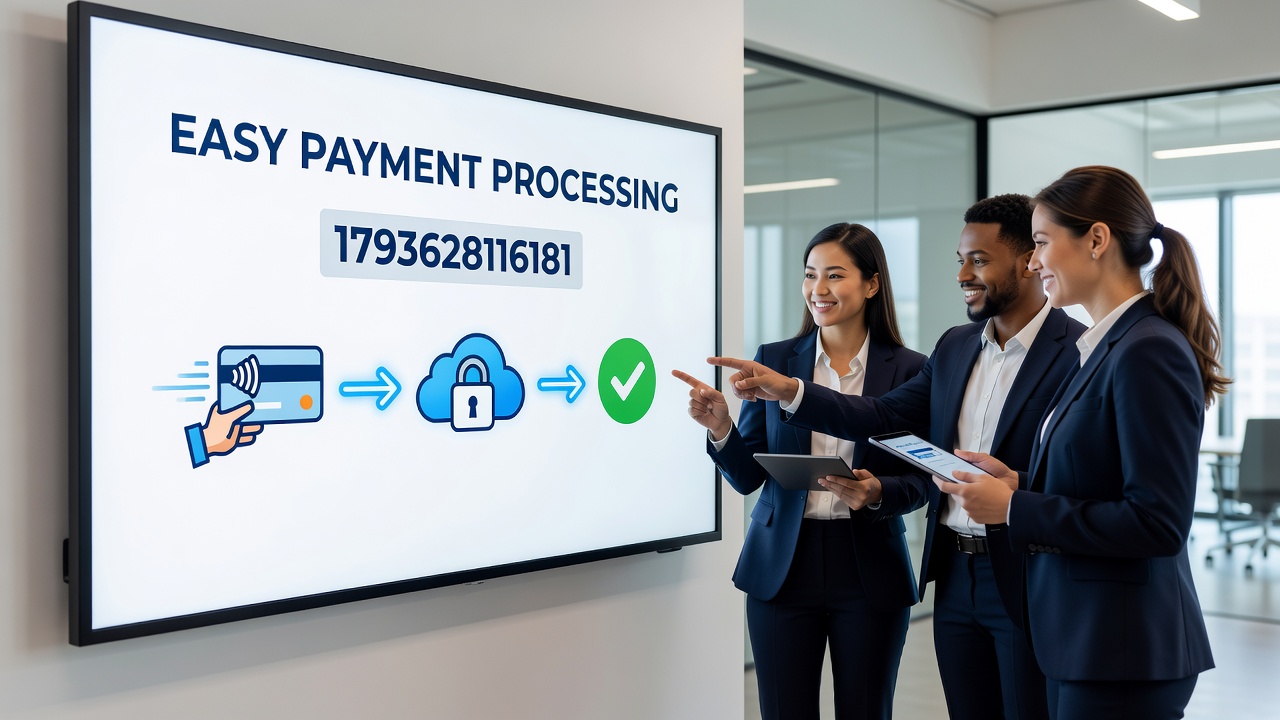
Understanding Accessible Payment Processing Options for Businesses
Businesses today rely on straightforward systems to handle transactions efficiently, and data from payment industry analyses show that merchant accounts form the foundation for accepting credit cards both in physical stores and through online channels. These accounts connect sellers directly to financial networks, allowing funds to move from customer cards to business bank accounts while meeting established security protocols set by card networks.
Core Elements of Payment Acceptance
Payment gateways serve as the digital bridge that transmits information between a merchant's website or point-of-sale terminal and the banking institutions involved, and observers note that these tools encrypt details during transfer to reduce exposure. Credit card processing itself involves authorization requests sent in real time, followed by settlement batches that typically clear within one to three business days according to standard banking practices. Research indicates that many providers bundle these services into packages that include reporting dashboards and basic fraud detection features.
Online Payment Integration
Digital storefronts use application programming interfaces to connect shopping carts with processing services, which enables automatic capture of recurring charges when customers select subscription models. Figures from financial oversight bodies reveal steady increases in the volume of such automated payments across multiple sectors. Those managing e-commerce operations often discover that selecting a provider with built-in compliance tools helps maintain alignment with data protection requirements without additional layers of manual oversight.
In-Store and Hybrid Transaction Flows
Physical terminals read card data through magnetic strips, chips, or contactless methods, and this hardware links to the same backend networks used for web sales. Experts have observed that unified platforms allow inventory updates to occur simultaneously with each sale, whether it happens at a counter or through a mobile device. By November 2026, projections shared in sector reports point to expanded adoption of near-field communication standards that support faster checkout times in multi-location operations.
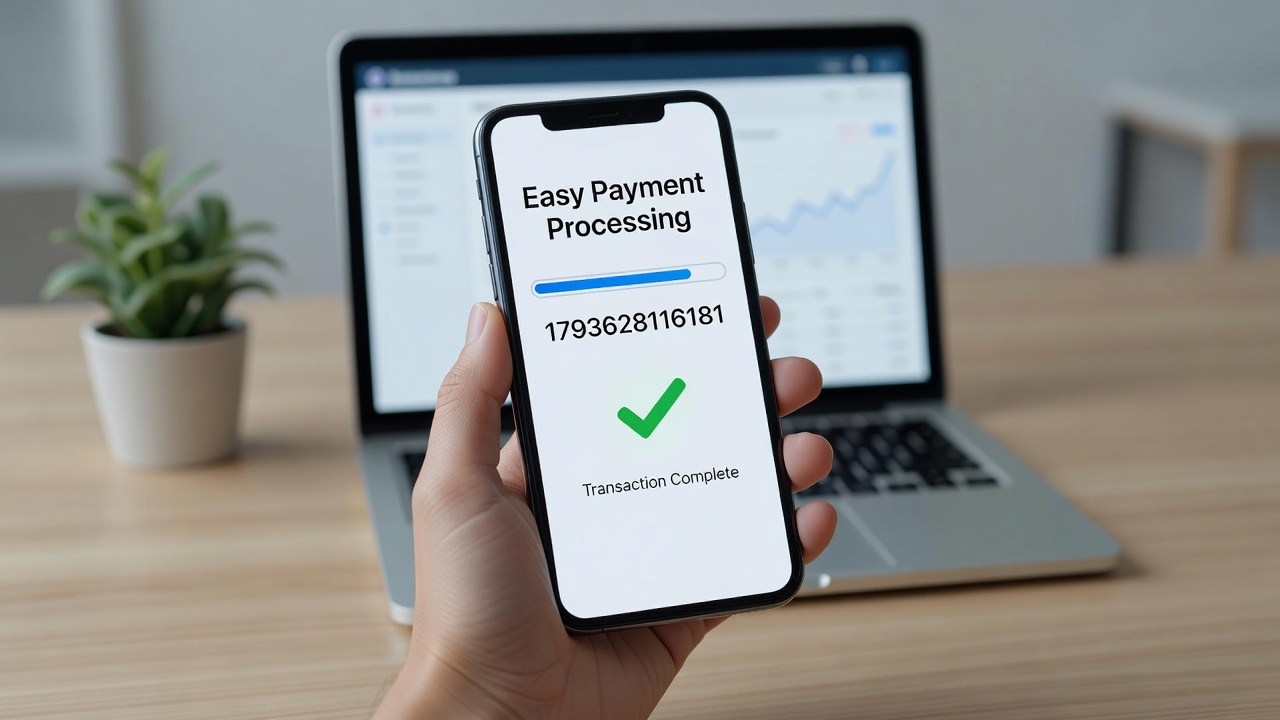
Merchants who combine these channels gain visibility into transaction patterns across locations, and studies from research institutions such as the Federal Reserve document measurable reductions in processing delays when systems share consistent authorization protocols. This connectivity also supports cross-border sales because many gateways apply currency conversion at rates determined by network agreements rather than individual negotiations.
Security and Compliance Standards
Encryption protocols and tokenization replace actual card numbers with unique identifiers that cannot be reused outside the approved environment, which limits risk if data interception occurs. Industry guidelines from organizations like the PCI Security Standards Council outline specific requirements for storage and transmission practices, and businesses that follow these steps qualify for lower insurance premiums in several jurisdictions. Data compiled by academic centers focused on financial technology show that adherence correlates with fewer reported incidents over multi-year periods.
Selecting Providers and Fee Structures
Fee models generally include interchange rates set by card networks, plus processor markups and possible monthly service charges, while transparent providers itemize each component so owners can compare total costs. Those evaluating options frequently review contract terms for early termination clauses and equipment leasing arrangements. Regulatory updates from bodies such as the European Central Bank continue to influence disclosure rules, requiring clearer presentation of all charges before agreements are signed.
Smaller enterprises sometimes begin with basic merchant accounts and later add advanced features such as recurring billing modules or virtual terminals for phone orders. This phased approach matches infrastructure growth with actual sales volume and avoids overcommitment during early stages. Analysts tracking adoption patterns note that integration with accounting software further reduces manual reconciliation time for bookkeepers handling daily batches.
Conclusion
Payment processing systems continue to evolve alongside retail practices, incorporating both hardware upgrades and software enhancements that support secure, rapid fund movement. Organizations that maintain current knowledge of network requirements and available tools position themselves to handle transactions across channels without unnecessary friction. Ongoing reports from established financial authorities provide the benchmarks needed to assess performance and compliance on a regular basis.