Transaction Infrastructure Developments in Multi-Channel Retail Operations
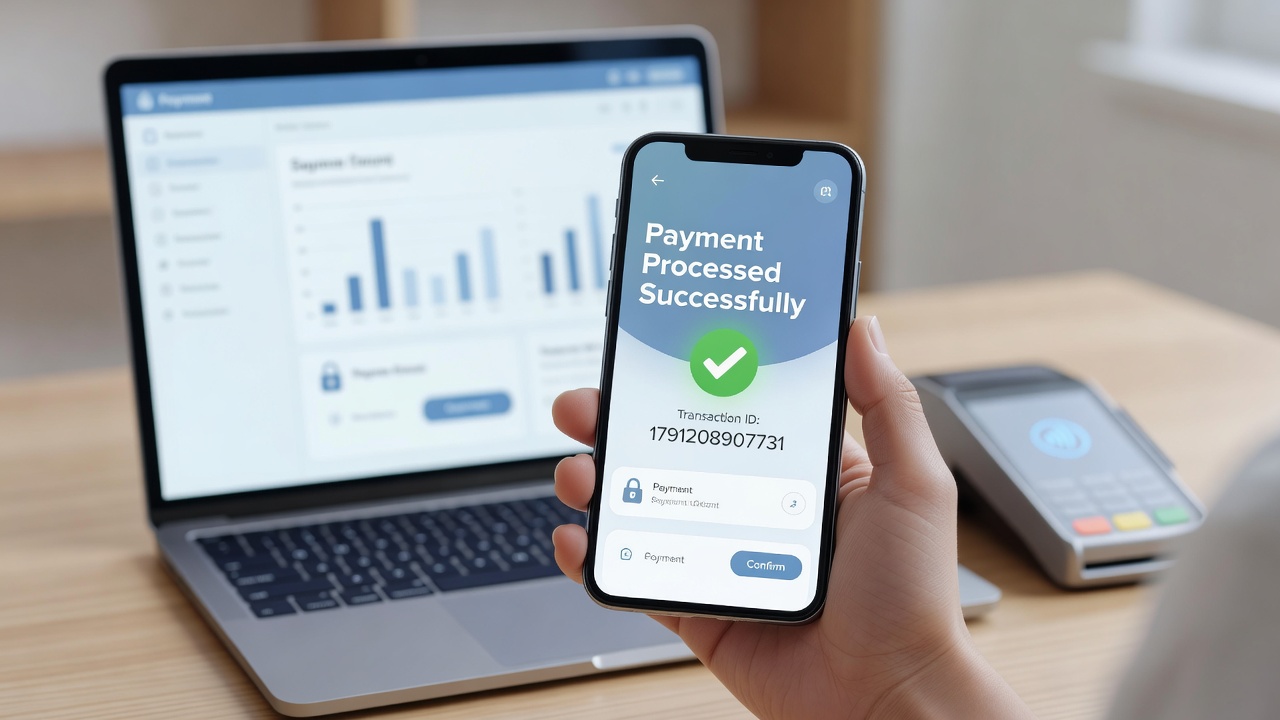
Retail businesses continue to expand their operations across physical locations and online platforms, which has increased demand for reliable transaction systems that handle credit card processing, merchant accounts, and recurring billing without unnecessary delays. Data from industry reports indicate that integrated solutions allow retailers to process payments through unified platforms that link point-of-sale terminals with ecommerce gateways, reducing the need for separate accounts and lowering overall operational overhead.
Core Components of Modern Payment Systems
Merchant accounts serve as the foundation for accepting card payments, while payment gateways manage the authorization process between customers, banks, and processors. Observers note that these elements work together to verify transactions in seconds, support both one-time purchases and automated recurring charges, and maintain compliance with security standards such as PCI DSS. Studies from financial research groups show that businesses using combined systems experience fewer failed transactions compared with those relying on disconnected tools.
Tokenization replaces sensitive card details with unique identifiers during storage, which helps protect customer information across multiple sales channels. Experts have observed that this approach supports inventory synchronization tools, allowing real-time updates when payments occur in stores or through web platforms. In October 2026, several payment providers plan to roll out enhanced token management features that align with emerging data protection requirements in North America and Europe.
Integration Across Physical and Digital Channels
Hybrid retail models require payment solutions capable of connecting in-store hardware with online authorization layers. Researchers at academic institutions have documented how these connections enable consistent pricing, unified reporting, and streamlined reconciliation at the end of each business day. Retailers often find that such setups minimize manual data entry and reduce the risk of reconciliation errors that arise when separate systems operate independently.
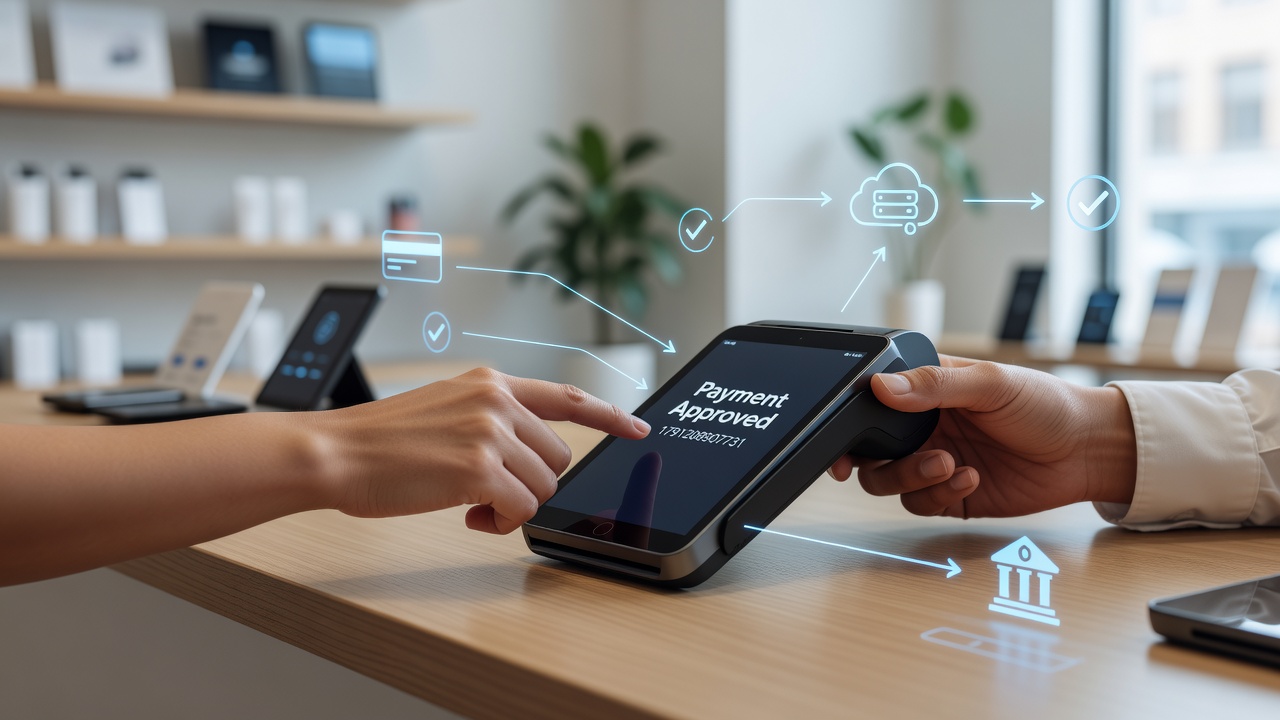
According to figures released by the Federal Reserve, electronic payment volumes grew steadily through 2025, with particular strength in sectors that adopted integrated processing early. Those who have implemented these systems report smoother handling of high-volume periods, such as seasonal sales events or multi-vendor marketplaces. What's interesting is how the same infrastructure supports both immediate card-present transactions and scheduled billing cycles without requiring additional hardware investments.
Security Measures and Compliance Requirements
Encryption protocols protect data during transmission, while credential vaulting allows secure storage of payment details for future use. Industry organizations tracking payment security note that these layers help businesses meet regulatory expectations across different jurisdictions. One study revealed that organizations maintaining updated encryption practices encountered fewer security incidents than those using legacy methods.
Cross-border transactions add another layer of complexity, as currency conversion and regional compliance rules come into play. Data indicates that specialized processors offer tools to handle these variables automatically, which supports retailers expanding into new markets. Observers note that clear fee structures and transparent reporting remain essential for businesses seeking predictable costs when scaling operations.
Practical Applications in Subscription and Event-Based Models
Subscription services rely on recurring billing features that automatically process charges at set intervals. Payment gateways equipped for this function track failed attempts, retry schedules, and customer notifications within a single dashboard. Those who've studied subscription growth patterns find that reliable processing correlates with higher retention rates across various sectors.
Event-based retail, including temporary markets and pop-up shops, benefits from portable terminals that connect to central systems for real-time authorization. Research indicates these configurations allow vendors to accept multiple payment types while maintaining accurate records for later settlement. The same networks can accommodate micro-transactions common in digital marketplaces, where high volumes of small payments require precise tracking and rapid confirmation.
Conclusion
Payment processing continues to evolve as retail operations span more channels and customer expectations rise. Integrated merchant solutions provide the infrastructure needed to manage credit card transactions, recurring payments, and cross-platform reporting within unified frameworks. Available data shows steady adoption of these systems, particularly among businesses seeking to reduce friction and maintain security standards. As new features emerge in 2026 and beyond, retailers gain additional options for aligning their transaction capabilities with operational goals across physical and digital environments.