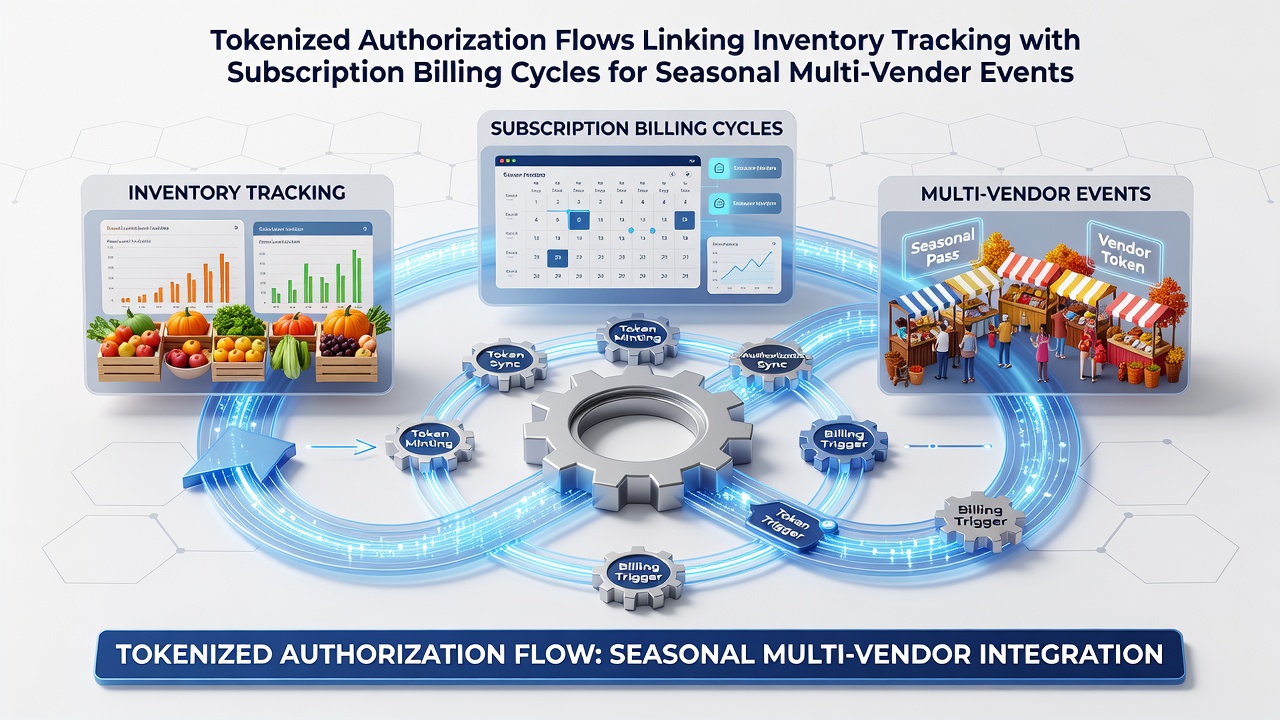
Token Systems Bridge Stock Monitoring and Cyclical Charges During Temporary Vendor Festivals
Seasonal multi-vendor events rely on coordinated digital tools that handle both physical stock levels and recurring payment obligations, and tokenized authorization flows serve as the connecting mechanism in these setups. These flows replace sensitive card details with unique tokens that authorize charges without exposing full account information, which allows inventory systems to trigger or adjust billing cycles as items move through vendor stalls.
Token generation occurs at the point of initial customer enrollment, where a payment processor issues a token tied to specific subscription parameters such as monthly access fees or product replenishment schedules. Once created, the token travels through secure channels to link with inventory databases, so that when stock quantities drop below predefined thresholds the system can initiate an automated charge using the stored authorization without requiring fresh customer input.
Core Components of Tokenized Flows in Event Settings
Inventory tracking software records real-time sales data from multiple vendor terminals, and this data feeds directly into billing engines that reference the associated tokens. Researchers at institutions such as the National Institute of Standards and Technology have documented how token mapping tables maintain one-to-one relationships between stock units and recurring charge instructions, which reduces mismatches during high-volume periods like harvest festivals or holiday markets.
Event organizers schedule these systems to align with fixed seasonal windows, and October 2026 marks the start of several coordinated vendor gatherings across North America where such integrations appear in operational logs. The tokens carry metadata that includes expiration rules tied to event duration, so billing cycles automatically pause or conclude once the temporary marketplace closes.
Synchronization Between Stock Data and Payment Cycles
Automated scripts compare inventory counts against subscription tiers every few hours, and when a vendor reports depleted goods the token triggers a renewal charge that updates both the billing record and the available stock allocation. This process uses application programming interfaces that pass token references alongside quantity adjustments, which keeps vendor accounts current without separate manual entries.
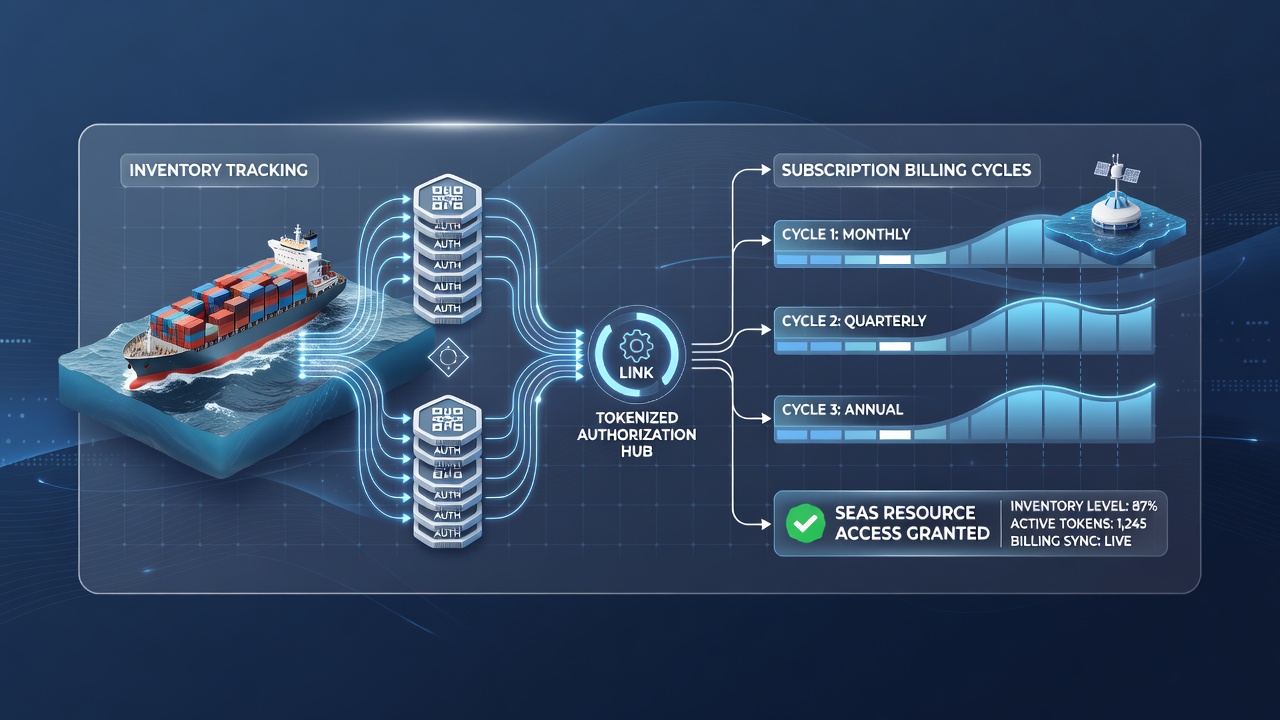
Security protocols require each token to validate against both the inventory ledger and the payment network before any charge processes, and studies from European research networks show that such dual checks lower unauthorized transaction rates in multi-party environments. Vendors receive consolidated reports that list both sold units and the corresponding billing events, which simplifies reconciliation at the close of each market day.
Practical Implementations Across Temporary Retail Clusters
One documented case involved a regional autumn fair where thirty vendors shared a centralized token vault connected to handheld scanners. Each sale reduced inventory counts in the shared database, adn the system automatically applied tokens to prorate subscription fees for participating sellers whose product lines sold faster than projected. Data from similar configurations indicate processing times under three seconds per synchronized update when network conditions remain stable.
Another configuration appears in coastal seasonal markets that operate only during peak tourism months. Here tokens embed location-specific rules that restrict billing to active event dates, which prevents charges from extending beyond the agreed vendor contract period. Observers note that this approach supports rapid onboarding for short-term participants who join after the event opens.
Regulatory and Technical Considerations
Payment frameworks in various jurisdictions require tokens to meet encryption standards set by bodies such as the European Central Bank guidelines on digital payments, which emphasize isolation between authorization data and merchant inventory records. Compliance audits examine whether token expiration aligns with both billing cycles and event timelines, and records from recent implementations confirm that mismatches trigger automatic token invalidation.
Technical teams configure fallback procedures so that if inventory feeds experience delays the billing engine defaults to the last verified token state rather than generating new charges. This safeguard appears in operational manuals for large-scale vendor networks and helps maintain accuracy during peak attendance days when scanner traffic spikes.
Conclusion
Tokenized authorization flows establish direct connections between inventory tracking and subscription billing by substituting persistent tokens for raw payment credentials, which enables seasonal multi-vendor events to manage stock changes and recurring charges through unified processes. These systems continue to appear in operational plans for gatherings scheduled through late 2026 and beyond, supported by documented security practices and interface standards that keep data flows consistent across temporary retail networks.