Integrated Approaches to Commercial Transaction Management Across Retail Channels
Payment processing has evolved into a network of interconnected tools that support both physical and digital sales environments, and businesses rely on merchant accounts to accept credit card transactions while maintaining compliance with industry standards. Data from the Federal Reserve shows transaction volumes increased steadily through 2025, and similar trends continued into August 2026 according to reports tracking electronic funds transfers. These systems handle authorization, capture, and settlement in sequences that minimize delays, whereas older methods often created bottlenecks during peak periods.
Core Elements of Transaction Handling
Merchant accounts form the foundation for accepting payments, and they connect directly to acquiring banks that process funds from card networks. Credit card processing involves several steps including tokenization to protect sensitive data, while online payments require gateways that route information securely between customers and processors. Observers note that recurring billing features allow businesses to automate charge cycles for subscriptions, and this setup reduces manual intervention across multiple channels. Studies from the Bank of Canada indicate that automated systems lowered error rates in subscription models by measurable margins in recent years.
Point-of-sale terminals integrate with these gateways to unify in-store and web-based operations, and the connection enables real-time inventory updates alongside payment confirmation. Researchers at academic institutions have documented how such linkages support multi-vendor setups where temporary retail clusters process charges without separate hardware for each participant. Security protocols like encryption layers shield transaction details during transfers, and compliance with standards such as PCI DSS remains mandatory for all participants in the chain.
Connectivity Between Physical and Digital Platforms
Hybrid retail environments depend on synchronized authorization protocols that link terminal hardware to web platforms, and this alignment supports cross-border transfers at controlled costs. According to figures from the European Central Bank, reduced overhead in transaction fees has encouraged smaller operations to expand into new regions since 2024. Tokenized ledgers track micro-transactions in high-volume marketplaces, whereas inventory synchronization tools prevent discrepancies between sales data and stock levels. Those who manage event-based sales platforms often discover that timing strategies for authorizations prevent overlaps during simultaneous vendor activity.
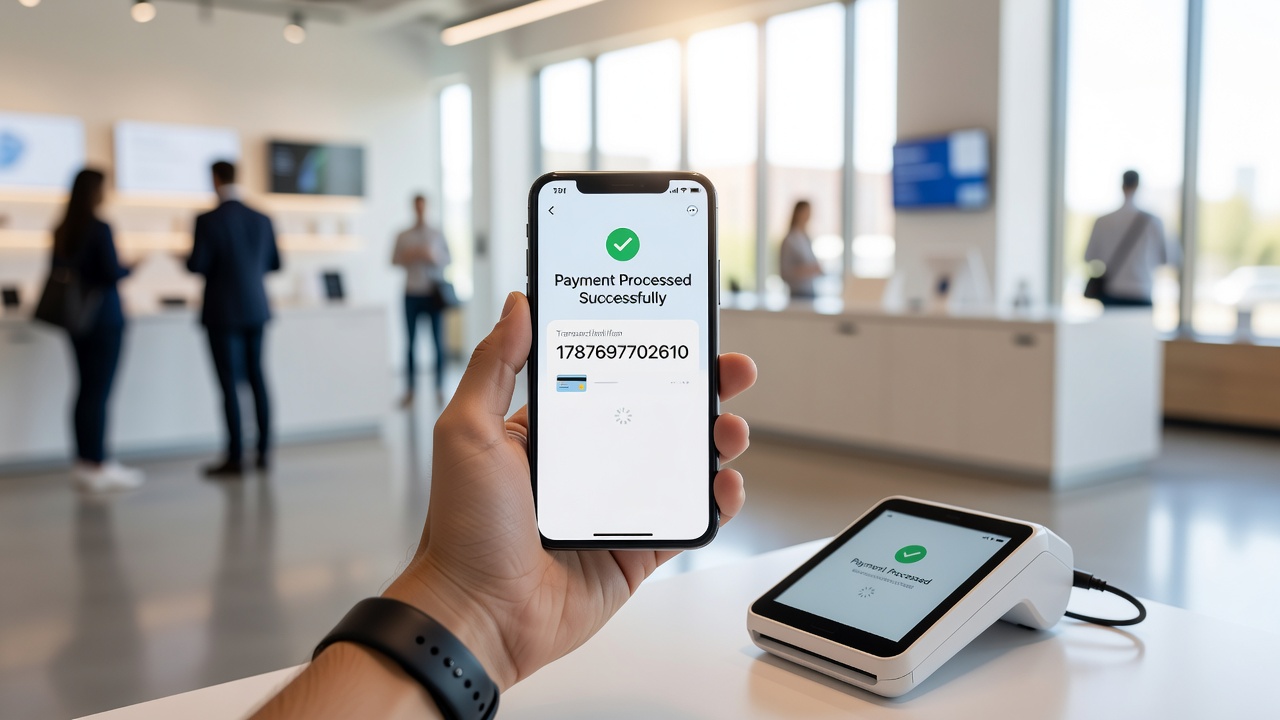
Credential vaulting stores payment details safely for repeated use, and it facilitates synchronized disbursements when multiple parties share revenue from a single sale. Industry reports highlight that such configurations prove useful in niche retail ventures scaling across channels, and the approach aligns digital authorization layers with physical terminal links. What's notable is the way encryption strategies protect multi-channel data flows without interrupting automated charge cycles or inventory connections.
Security and Compliance Considerations
Encryption remains central to protecting transaction information, and it operates alongside other measures like access controls to limit exposure. Data indicates that organizations following updated guidelines from regulatory bodies in Australia have seen fewer incidents related to data breaches in payment systems. Rapid authorization protocols tie inventory tools to charge cycles in event networks, and this reduces the window for potential interference during high-traffic periods. Observers point out that specialized network setups enable quicker processing in cross-platform environments while maintaining audit trails for accountability.
Those expanding operations benefit from configurations that support both recurring online processing and seamless terminal connectivity, and the combination addresses needs in growing ventures without excessive infrastructure investments. Research from various trade groups shows adoption rates rising for these integrated solutions in multi-channel settings, particularly where low-cost recurring billing pairs with in-store efficiency.
Conclusion
Payment processing continues to adapt through these layered systems that balance speed, security, and connectivity for diverse retail needs. Evidence from multiple sources demonstrates how merchant solutions and gateway features work together to handle transactions across platforms, and ongoing developments in August 2026 reflect broader patterns of integration seen in prior years. Businesses gain from understanding these mechanics to support expansion while adhering to established protocols.