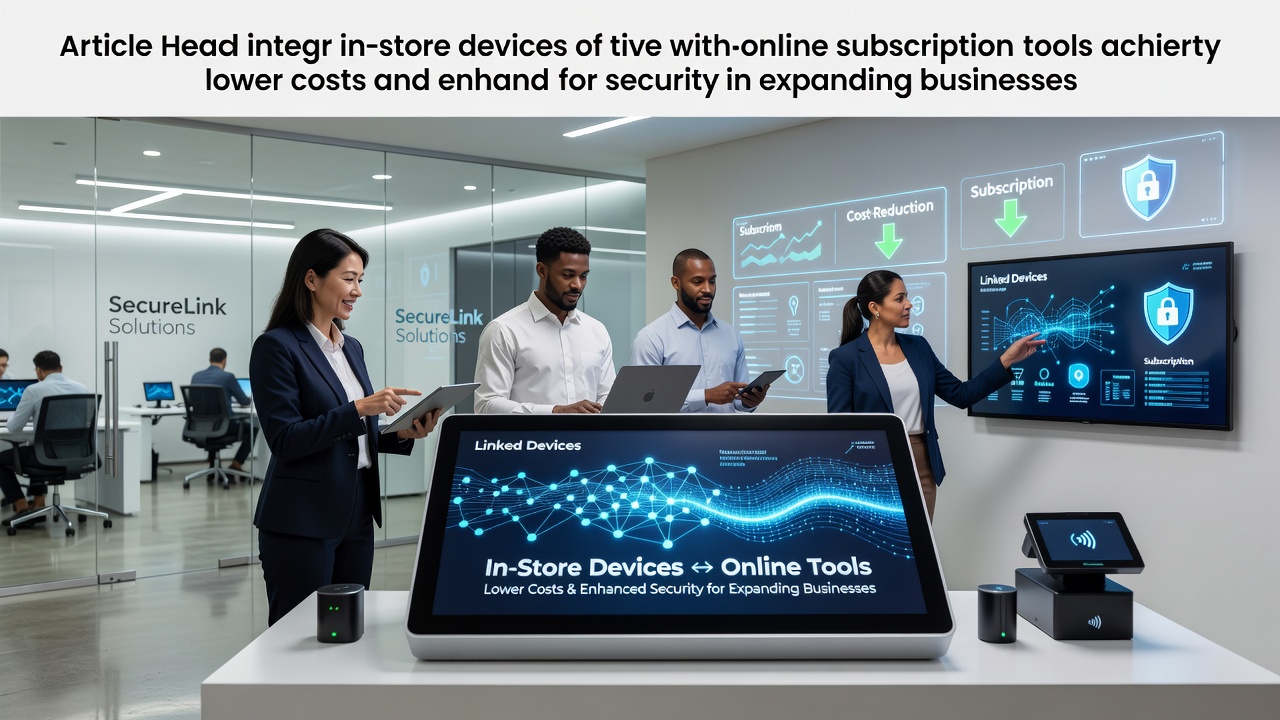
Aligning Retail Device Networks with Digital Subscription Frameworks for Cost Savings and Heightened Security in Business Expansion
Businesses that expand across physical and digital channels often face rising transaction expenses alongside mounting security demands, and research from the PCI Security Standards Council shows that unified systems address both challenges through centralized authorization processes. In-store devices such as point-of-sale terminals link directly to online subscription platforms via application programming interfaces that synchronize inventory data with recurring billing cycles, which reduces duplicate processing steps and associated fees. Data from payment industry reports indicate that these connections cut per-transaction costs by consolidating merchant accounts, while encryption protocols applied at the hardware level prevent unauthorized access during data transfers between locations.
Core Integration Mechanisms
Retail operations achieve synchronization when terminal hardware transmits sale details to cloud-based subscription engines in real time, and this setup allows automated charge cycles to reference up-to-date stock levels without manual reconciliation. Observers note that tokenization replaces sensitive card information with unique identifiers at the point of capture, which supports secure storage across both in-store and web environments. Studies conducted by the National Institute of Standards and Technology highlight how such token vaults maintain compliance with data protection requirements while enabling merchants to manage customer profiles from a single dashboard. Expanding ventures benefit because the same credential vault handles one-time purchases at physical counters and scheduled renewals online, thereby eliminating separate onboarding procedures that previously inflated administrative overhead.
Cost Reduction Through Unified Processing
Transaction fees decline when businesses route all payments through a shared gateway rather than maintaining separate merchant accounts for each channel, and figures from the Federal Reserve Bank of Boston reveal average savings of 15 to 25 percent for multi-channel retailers after integration. Subscription tools pull recurring charges from the same processor that handles terminal transactions, which avoids incremental setup charges and volume-based penalties that arise from fragmented accounts. People who manage growing operations frequently discover that inventory synchronization prevents overselling, and this precision reduces refund processing expenses while preserving customer trust. In August 2026 several retail chains reported further reductions after adopting cross-platform ledgers that batch authorizations across time zones, allowing lower interchange rates during off-peak windows.
Security Enhancements in Connected Systems
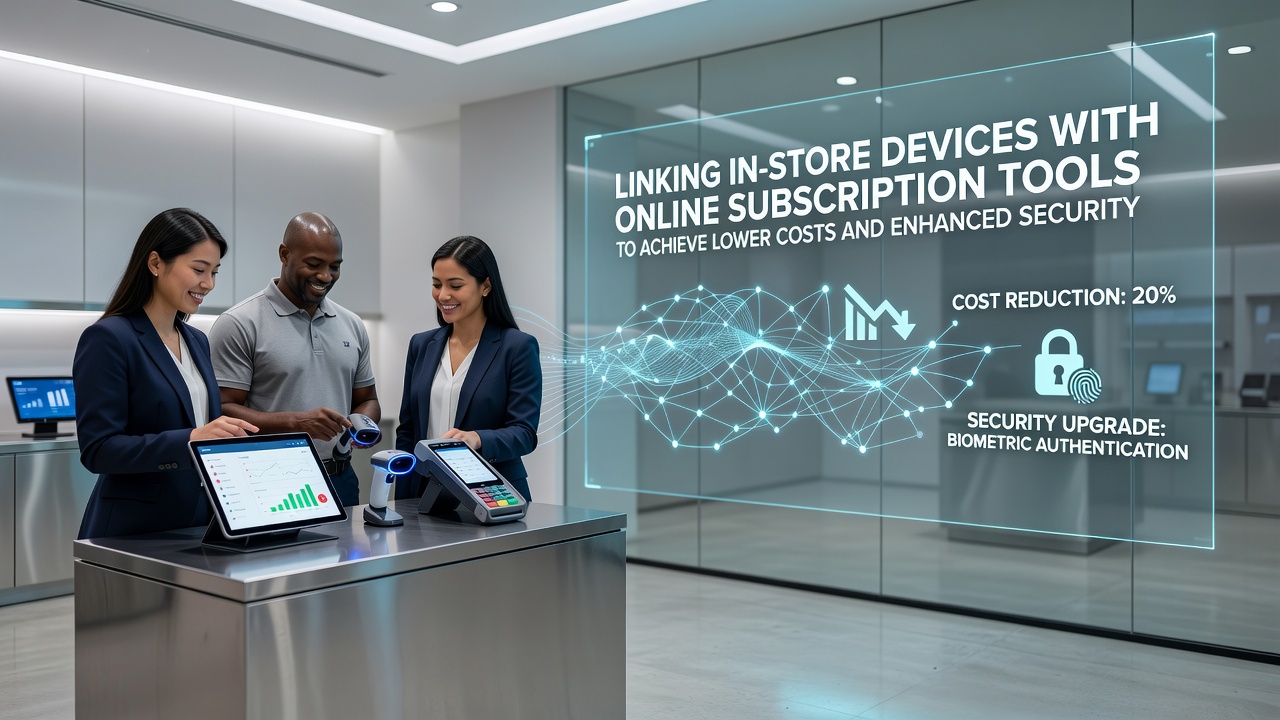
Encryption layers applied end-to-end protect cardholder data as it moves between physical terminals and online billing modules, and this approach meets standards outlined by the European Data Protection Board for cross-border transfers. Researchers at academic institutions have documented fewer breach incidents in environments where device-level authentication pairs with cloud-based access controls, because each endpoint validates transactions before data leaves the local network. Tokenized records replace full account numbers in subscription databases, which limits exposure if a web server faces compromise while in-store hardware remains isolated. Businesses that scale internationally gain additional safeguards through regional compliance modules that adjust automatically to varying regulatory frameworks without requiring separate security audits for each market.
Practical Implementation in Expanding Operations
One case involved a specialty goods retailer that connected existing countertop terminals to a subscription management platform, enabling seamless migration of in-store loyalty members to recurring delivery plans. The integration used standardized APIs to push daily sales summaries into billing schedules, and this eliminated manual data entry that once consumed hours each week. Another example emerged in event-based retail networks where temporary multi-vendor clusters relied on rapid authorization protocols to align inventory systems with charge cycles, resulting in fewer declined payments and lower operational friction. Those who oversee such transitions emphasize that staff training focuses on unified interfaces rather than multiple disconnected tools, which shortens onboarding time for new locations.
Conclusion
Retailers that align in-store devices with subscription frameworks achieve measurable reductions in processing expenses while strengthening data protections across channels. Evidence from regulatory and research bodies continues to support these configurations as scalable solutions for ventures moving beyond single-location operations, and ongoing advancements in authorization timing and ledger synchronization promise further refinements in efficiency and safety.