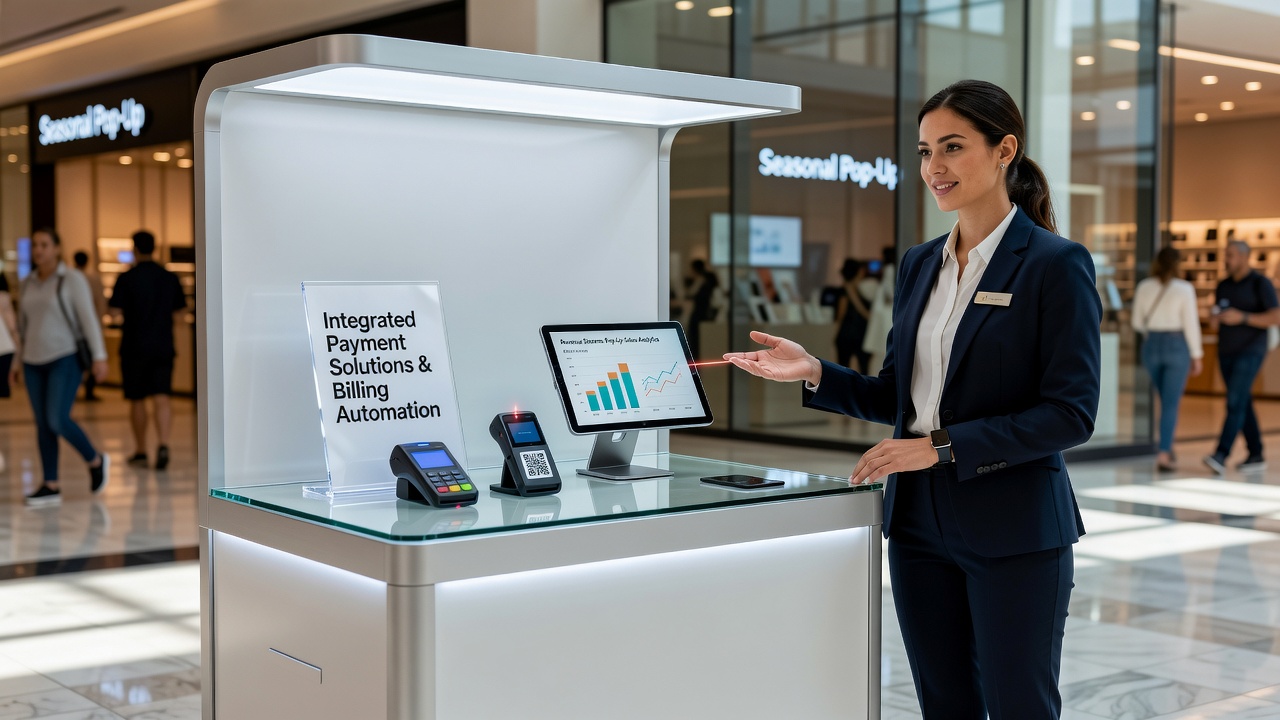
Aligning Income Channels in Temporary Retail Setups Through Unified Transaction Systems and Automated Invoicing Processes
Pop-up retail environments bring together short-term sales locations and multiple vendors who generate revenue through in-person transactions, online orders, and occasional subscription elements, yet coordinating these streams requires systems that connect point-of-sale hardware with digital gateways and automated billing tools. Research from payment industry reports indicates that such integration reduces manual reconciliation tasks while maintaining accurate tracking across channels, and data from the Federal Reserve shows rising adoption of these combined platforms among small-scale operators during seasonal peaks.
Operators set up temporary locations for events or seasonal markets where vendors handle direct sales alongside any pre-ordered items fulfilled through digital platforms, and unified solutions allow real-time authorization that feeds directly into centralized ledgers. This setup supports quick settlement cycles without separate batch processing for each revenue type, while automation handles recurring elements such as vendor fees or loyalty-based charges that occur on fixed schedules.
Core Components of Integrated Payment Systems in Transient Retail
Hardware terminals link with software platforms to capture card data, mobile wallet payments, and contactless options at the point of sale, and these devices synchronize with backend systems that apply the same security protocols used for online transactions. Billing automation then generates invoices based on sales data pulled from both physical and digital sources, which cuts down on errors that arise when teams enter figures manually into separate spreadsheets. Observers note that this connectivity proves especially useful when multiple vendors share a single location yet maintain individual merchant accounts.
Tokenization methods protect card details during transfers between systems, and encryption layers maintain compliance with data standards throughout the process. Studies from the European Central Bank highlight how standardized protocols enable cross-border vendors to participate in pop-up events without creating separate compliance workflows for each jurisdiction.
Automation Features That Support Revenue Coordination
Automated invoicing pulls transaction records from integrated gateways and applies predefined rules for splitting revenues among vendors, landlords, and service providers, which streamlines payouts that would otherwise require manual calculations after each event. Scheduling tools trigger recurring charges for booth rentals or subscription access to shared inventory databases, and these functions operate on calendars that align with the temporary nature of pop-up operations. People managing such events find that dashboard views display consolidated reports covering all streams in one interface rather than requiring navigation across multiple applications.
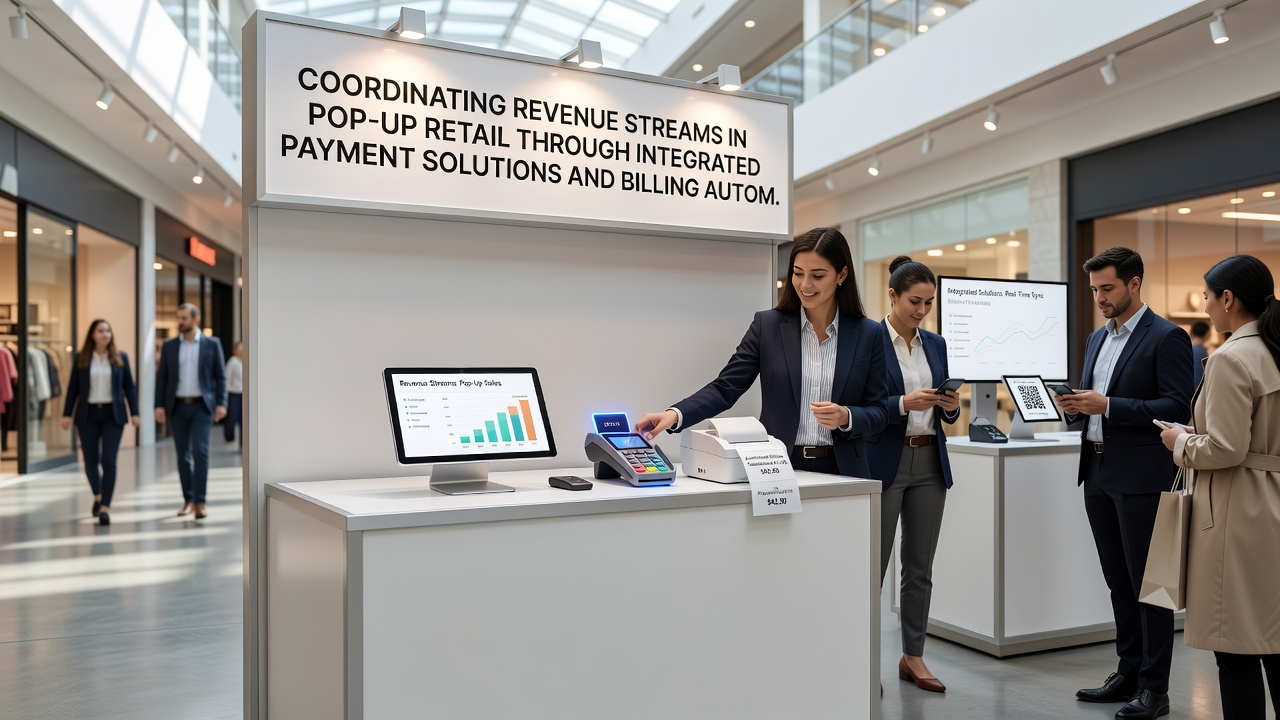
Inventory synchronization ties into these payment flows so that stock levels update automatically after each sale, whether it occurs at a terminal or through an online order placed during the event. This prevents overselling in high-traffic periods and supports accurate forecasting for restocking needs that arise mid-event.
Practical Applications During Peak Periods
As activity intensifies in August 2026 with numerous outdoor markets and festival-linked retail clusters, operators rely on these systems to handle volume spikes without adding staff for reconciliation duties. Case examples from multi-vendor setups reveal that unified platforms process mixed payment types in sequence while logging each to the correct revenue category, and automation distributes shares to participants based on pre-set agreements. Those configurations reduce delays between sale completion and fund availability, which matters when vendors operate on tight cash-flow cycles typical of short-term retail.
Cross-platform reporting compiles data from terminals, web gateways, and automated billing records into exportable formats that support tax filings and performance reviews after events conclude. Industry analyses indicate that vendors using these tools report fewer discrepancies in end-of-day tallies compared with fragmented approaches.
Security and Compliance Considerations
Integrated solutions maintain PCI DSS requirements across all connected channels through consistent encryption and access controls, and automated logging creates audit trails that cover both physical and digital transactions. Vendors avoid maintaining separate security setups for each revenue stream because the unified system applies the same standards everywhere. Regulatory updates from bodies such as the Bank of Canada emphasize the value of centralized oversight in environments where temporary operations might otherwise introduce gaps in monitoring.
Conclusion
Coordinated revenue management in pop-up retail depends on payment systems that connect hardware, digital gateways, and billing automation into a single operational flow, adn available data demonstrates measurable reductions in processing time and reconciliation errors. These configurations support the flexible structure of temporary retail while handling the mix of transaction types that arise across physical locations and online channels. Continued refinement of these tools aligns with broader shifts toward multi-channel operations in seasonal and event-based retail.