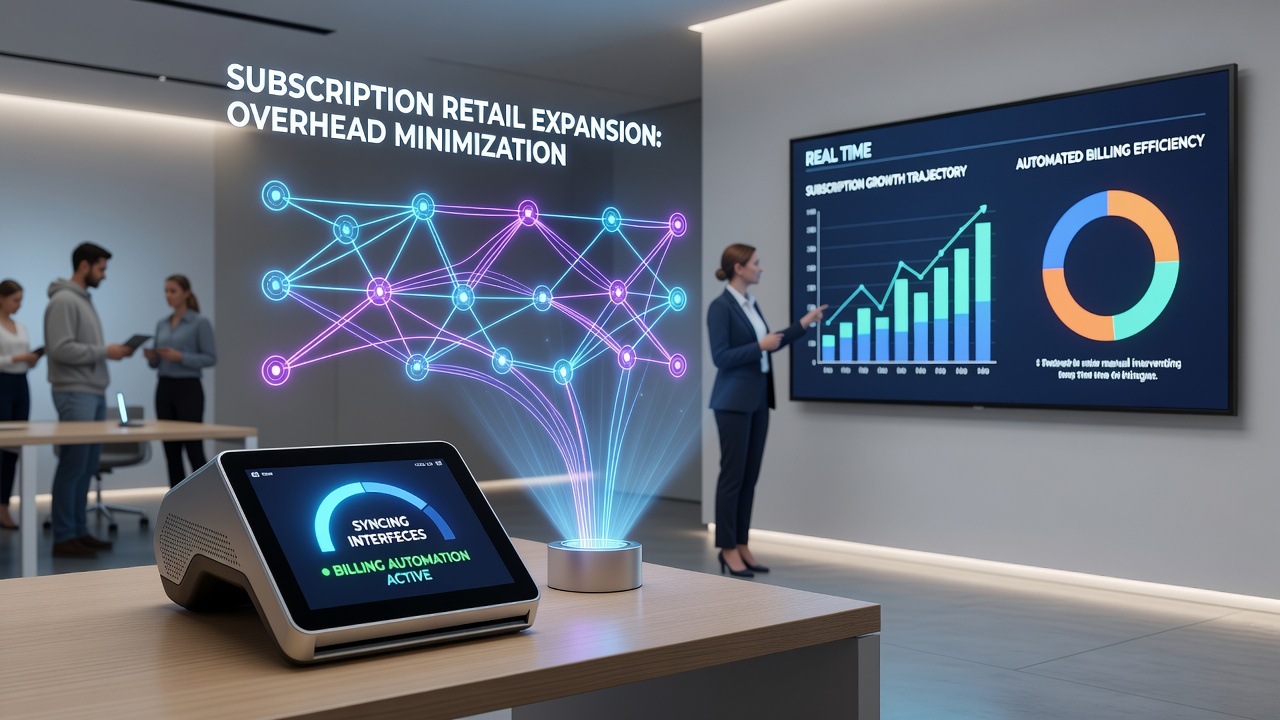
Aligning Hardware Interfaces with Billing Automation Tools to Minimize Overhead in Subscription-Driven Retail Expansions
Retail operations that incorporate subscription models encounter rising volumes of recurring transactions, and hardware interfaces such as card readers and point-of-sale terminals must connect directly with billing automation platforms to handle these cycles efficiently. Data from payment system analyses show that synchronized setups reduce manual reconciliation steps, which in turn lowers administrative labor across multi-channel environments. Observers note that subscription expansions in sectors like consumer goods and services have accelerated since 2024, prompting retailers to examine interface protocols that support automated charge scheduling without repeated data entry.
Core Components of Hardware Interfaces in Retail Settings
Hardware interfaces encompass physical devices including EMV terminals, barcode scanners, and inventory-linked readers that capture transaction details at the point of sale, while billing automation tools manage recurring authorizations through software layers that process card tokens and schedule future charges. Research indicates that when these elements align via standardized APIs, transaction data flows directly into billing engines, and this integration eliminates duplicate processing that previously required separate staff interventions. Figures from industry reports reveal that retailers operating in hybrid physical and digital channels process up to 40 percent more recurring payments when terminal outputs feed straight into automated ledgers rather than isolated spreadsheets.
As of July 2026, payment network statistics continue to document growth in subscription services, with hardware vendors releasing updated firmware that supports tokenization standards compatible with major billing platforms. Those who manage retail expansions find that mismatched interfaces create delays in authorization timing, whereas matched configurations allow near-instant updates to customer ledgers during both in-store and online interactions.
Billing Automation Tools and Their Connectivity Requirements
Billing automation platforms handle recurring revenue streams by storing tokenized credentials and triggering charges according to predefined intervals, and these systems require hardware interfaces to transmit real-time inventory and payment confirmation data to maintain accurate records. Studies from payment processors demonstrate that direct connections between terminals and automation software reduce error rates in charge cycles by routing authorization requests through unified gateways instead of fragmented channels. European Central Bank analyses of payment infrastructures highlight how such linkages support cross-border subscription flows while complying with regional data protection rules.
Integration Approaches That Cut Operational Overhead
Retailers achieve alignment by deploying middleware that maps terminal outputs to billing software fields, and this mapping process incorporates inventory sync protocols so that stock levels update automatically after each recurring charge. Data shows that organizations adopting these methods experience fewer chargeback incidents because transaction histories remain consistent across hardware logs and billing databases. One documented case involves a multi-location consumer electronics chain that linked its in-store readers to an automated billing suite, resulting in a measurable drop in reconciliation hours per month as reported in internal operational reviews.
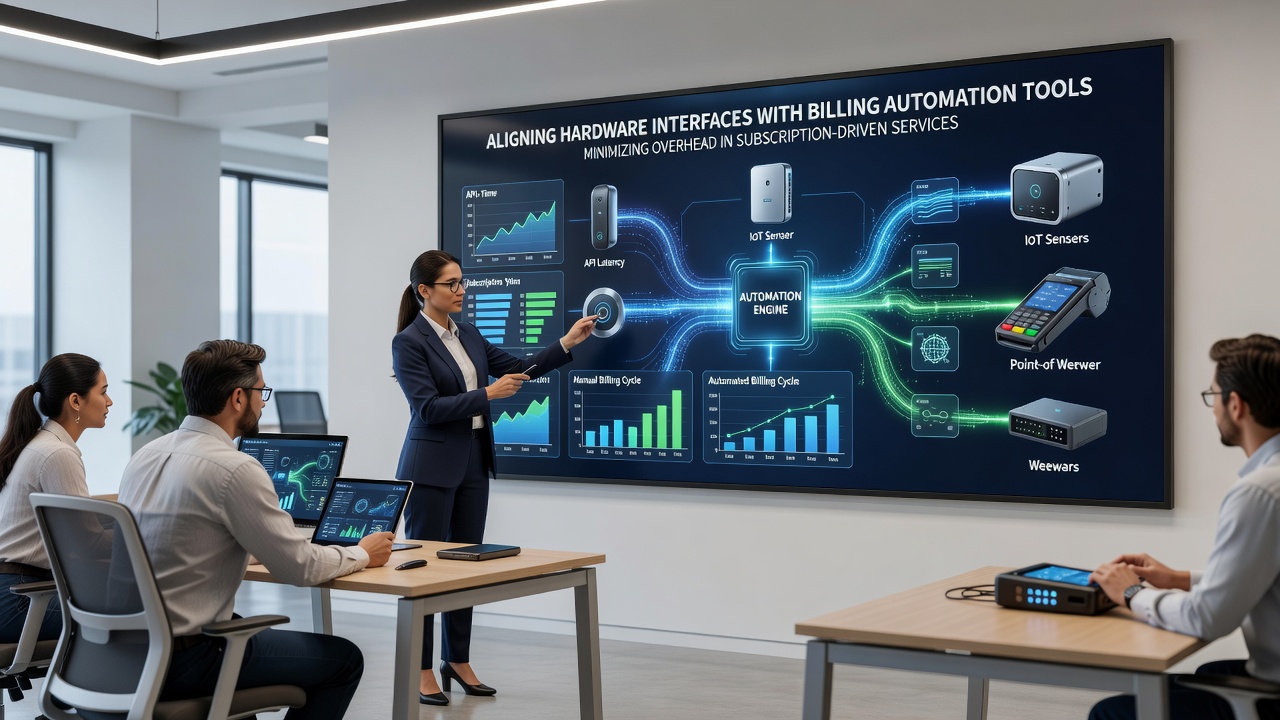
What's interesting is that API-based connectors allow hardware firmware updates to propagate without disrupting active subscription cycles, and this capability proves especially useful during seasonal expansions when transaction volumes spike. Federal Reserve payment studies note that standardized interface protocols help retailers maintain compliance with security frameworks while scaling recurring billing across additional locations.
Observed Effects on Subscription Retail Growth
Subscription-driven expansions benefit when hardware and billing systems share common data formats, and this sharing enables faster onboarding of new customer cohorts without proportional increases in support staff. Research from retail technology consortia indicates that aligned setups correlate with lower per-transaction processing costs because fewer manual interventions occur between capture and settlement. In practice, stores that expanded subscription offerings in 2025 reported sustained revenue streams after implementing these connections, according to aggregated industry performance metrics.
Yet challenges arise when legacy terminals lack native support for modern token standards, and retailers address this by phasing in updated hardware that maintains backward compatibility with existing billing tools. Observers note that gradual migration preserves operational continuity while gradually trimming overhead associated with dual-system maintenance.
Conclusion
Alignment between hardware interfaces and billing automation tools supports efficient handling of subscription volumes in expanding retail operations, and ongoing developments in interface standards continue to facilitate these connections. Payment data collected through July 2026 shows measurable reductions in processing overhead for organizations that prioritize direct system linkages, allowing resources to shift toward customer acquisition and inventory management rather than transaction reconciliation. Retailers who examine these configurations gain access to streamlined workflows that scale with subscription growth across physical and digital channels.